


Building an eco-friendly house is more important now than ever. With rising energy costs and increasing environmental awareness, many people are looking for ways to reduce their carbon footprint and live more sustainably. An eco-friendly home not only benefits the environment but also offers long-term savings and a healthier living space.
By using sustainable materials and energy-efficient systems, you can create a home that is comfortable, cost-effective, and kind to the planet.
Creating a sustainable home involves several key steps. It starts with careful planning and site selection, followed by thoughtful design principles that make the most of natural resources. Throughout the construction process, choosing the right materials and incorporating energy-efficient systems are crucial.
By integrating renewable energy solutions and innovative technologies, you can significantly reduce your home’s energy consumption and environmental impact. This guide will walk you through each step, providing practical advice and tips for building an eco-friendly house.
How to Plan Your Eco-Friendly Home: Key Steps
The first step in building an eco-friendly house is choosing the right location. The site you select can have a significant impact on your home's energy efficiency and environmental footprint.
Look for a location with optimal solar exposure, as this will allow you to maximize natural light and heat from the sun. A south-facing site is ideal in the Northern Hemisphere because it receives the most sunlight throughout the year. Avoid areas with heavy shade or obstructions that could block sunlight. Also, consider the site's impact on the surrounding environment. Try to choose a location that requires minimal disruption to natural habitats and ecosystems.
Conducting an energy audit before you begin construction is essential. An energy audit helps you identify potential energy-saving opportunities and design your home to be as efficient as possible. This process involves evaluating various aspects of the site and the planned construction, such as insulation, window placement, and heating and cooling systems. By addressing these factors early, you can ensure that your home will use energy efficiently from day one. Energy audits can be done by professionals, but there are also many resources available if you prefer to do it yourself.
Understanding local regulations and incentives is also crucial. Many regions have building codes that require certain energy efficiency standards to be met.
Familiarize yourself with these regulations to ensure your construction plans comply. Additionally, there are often government incentives and rebates available for building eco-friendly homes. These can include tax credits, grants, and reduced fees for permits. Taking advantage of these incentives can help offset some of the costs associated with building a sustainable home. Research the specific programs available in your area and incorporate them into your planning process.
Sustainable Design Tips for an Eco-Friendly Home
When it comes to designing an eco-friendly house, passive solar design is a key principle.
This design strategy uses the sun's energy to naturally heat and light your home. By strategically placing windows and using materials that absorb and slowly release heat, you can maintain a comfortable temperature year-round. Large, south-facing windows allow for maximum sunlight during the winter months, while overhangs or shades can block excessive heat during the summer. Using thermal mass materials, like concrete or stone, in floors and walls helps to store and distribute heat effectively.
Efficient space utilization is another important aspect of sustainable design. Design your home to maximize the use of natural light and ventilation.
Open floor plans and strategically placed windows can reduce the need for artificial lighting and mechanical ventilation. Skylights and clerestory windows are great for bringing natural light into interior spaces. Cross-ventilation, achieved by placing windows and vents on opposite sides of rooms, allows for natural airflow and cooling. By designing spaces that take advantage of these natural elements, you can reduce your reliance on energy-consuming systems.
Choosing green building materials is crucial for reducing the environmental impact of your home.
Opt for materials that are recycled, reclaimed, or sustainably sourced. Recycled steel, for example, uses less energy to produce compared to new steel and can be used in framing. Bamboo is a fast-growing, renewable resource that is ideal for flooring and cabinetry. Reclaimed wood adds character and reduces the demand for new timber. Low-VOC (volatile organic compounds) paints and finishes improve indoor air quality by reducing harmful emissions.
Top Energy-Efficient Systems and Appliances for Your Home
Energy-efficient systems and appliances are essential for creating a truly eco-friendly home.
Modern, high-efficiency HVAC systems are a great place to start. These systems use advanced technology to heat and cool your home more effectively while using less energy. They can automatically adjust to changing temperatures and conditions, ensuring that your home remains comfortable without wasting energy. Many high-efficiency HVAC systems also include features like programmable thermostats and variable speed motors, which help optimize energy use and reduce your utility bills.
Upgrading to ENERGY STAR-rated appliances is another effective way to reduce your home's energy consumption. These appliances meet strict energy efficiency guidelines set by the government, which means they use less energy than standard models. Look for ENERGY STAR labels when shopping for refrigerators, washing machines, dryers, and dishwashers. Not only do these appliances consume less power, but they often have other benefits such as improved performance and longer lifespans.
Water conservation is also a key component of an energy-efficient home. Installing low-flow fixtures like showerheads, faucets, and toilets can drastically reduce water usage without sacrificing performance. These fixtures use advanced technology to maintain strong water pressure while using less water.
Rainwater harvesting systems are another great option for conserving water. These systems collect and store rainwater for use in irrigation, flushing toilets, and even washing clothes. By reducing your reliance on municipal water supplies, you can lower your water bills and contribute to more sustainable water use practices.
Best Renewable Energy Solutions for Eco-Friendly Homes
Solar panels are one of the most popular renewable energy solutions for homes. They convert sunlight into electricity, providing a clean and sustainable source of power.
Installing solar panels can significantly reduce your energy bills and your carbon footprint. The initial cost of installation can be high, but there are often government incentives and rebates available to help offset the expense. Over time, the savings on your energy bills can more than make up for the initial investment. Plus, in many areas, you can sell excess electricity back to the grid, generating additional income.
Small-scale wind turbines are another option for generating renewable energy at home. These turbines harness wind power to produce electricity, which can be used to supplement your home’s energy needs. While they may not be suitable for every location, homes in windy areas can benefit greatly from this technology. Wind turbines are relatively low-maintenance and can provide a steady source of renewable energy. By combining wind power with other renewable energy sources, you can create a more resilient and sustainable energy system for your home.
Geothermal heating and cooling systems offer another innovative solution for sustainable living. These systems use the constant temperature of the earth to heat and cool your home. In the winter, they draw heat from the ground and transfer it to your home, while in the summer, they remove heat from your home and release it into the ground. This process is highly efficient and can significantly reduce your energy consumption. Geothermal systems have higher upfront costs but offer substantial long-term savings and environmental benefits. They also require less maintenance than traditional heating and cooling systems, making them a smart investment for sustainable living.
Government incentives play a crucial role in making renewable energy solutions more accessible and affordable. Many governments offer rebates, tax credits, and grants to encourage the adoption of renewable energy technologies. These incentives can help reduce the upfront costs of installing solar panels, wind turbines, and geothermal systems.
Research the specific programs available in your area to take full advantage of these financial benefits. By leveraging government incentives, you can make renewable energy a more viable option for your home and enjoy the long-term savings and environmental benefits it provides.
Innovative Home Technologies for Sustainable Living
Innovative technologies are transforming how we think about sustainable living. One such technology is EcoInnovation Technologies’ ThermoDrain system.
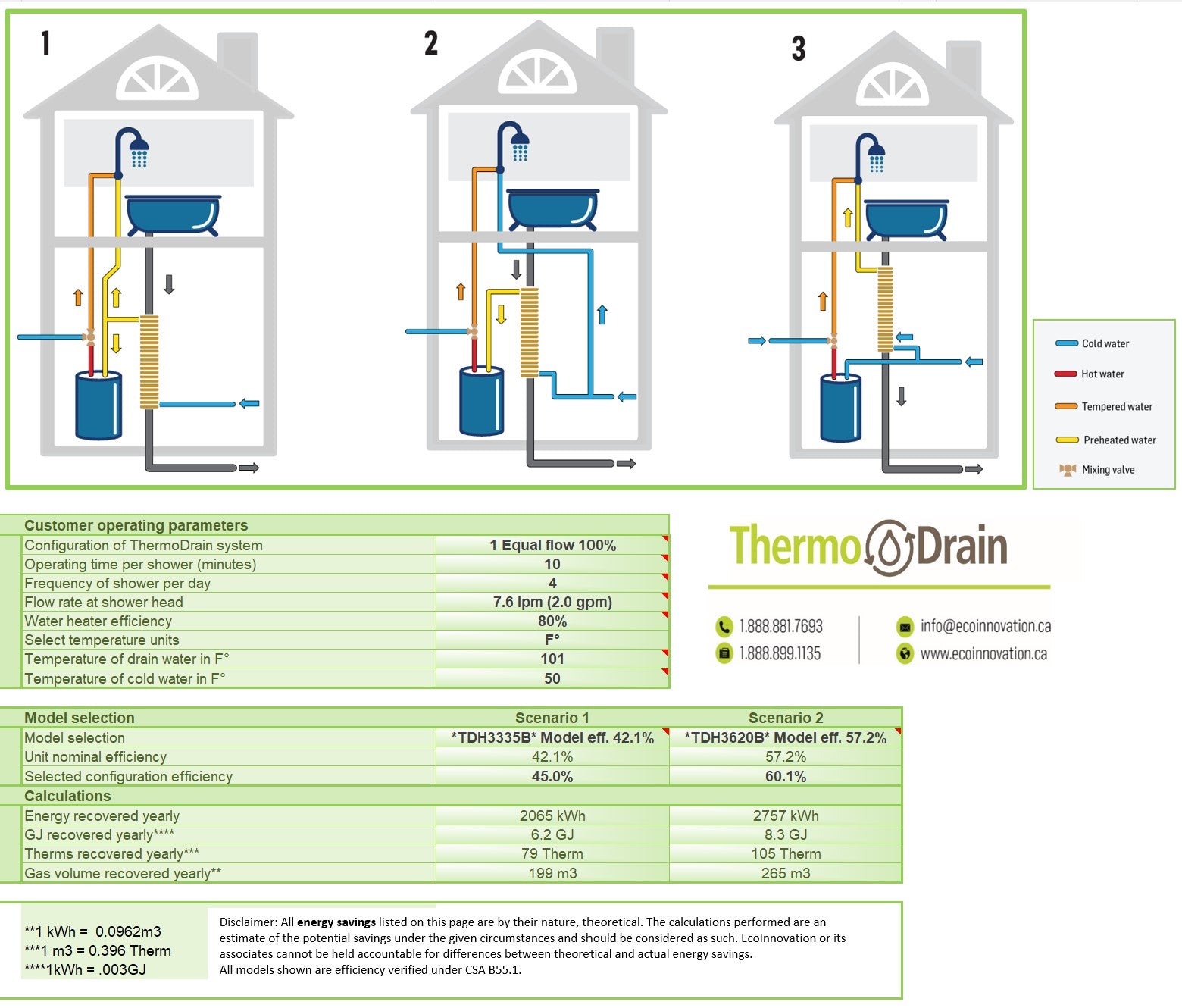
This system captures waste heat from your home’s plumbing and uses it to preheat incoming cold water. This process reduces the energy needed to heat water, resulting in significant savings on your energy bills. The ThermoDrain system is easy to install and requires no maintenance, making it a convenient addition to any home. By recovering and reusing waste heat, ThermoDrain helps you reduce your energy consumption and environmental impact.
The science behind drain water heat recovery is straightforward yet effective. When hot water goes down the drain, it carries away a lot of heat energy. ThermoDrain captures this heat and transfers it to the cold water entering your home. This preheated water then requires less energy to reach the desired temperature, reducing the workload on your water heater. This system works with all types of plumbing and is compatible with both traditional and tankless water heaters. By installing ThermoDrain, you can make your home more energy-efficient and enjoy lower energy bills.
Incorporating ThermoDrain into your home’s plumbing system is a smart move for anyone looking to improve energy efficiency. Whether you’re a homeowner aiming to lower your bills or a builder seeking to design energy-efficient homes, ThermoDrain offers a practical solution.
By capturing and reusing waste heat, this system not only saves energy but also helps reduce your carbon footprint. Investing in innovative technologies like ThermoDrain is a key step towards a more sustainable and cost-effective home.
Smart Home Technology: Boosting Energy Efficiency
Smart home technology can greatly enhance the energy efficiency of your eco-friendly house.
One of the most impactful smart devices is a smart thermostat. These thermostats learn your schedule and preferences, adjusting the temperature automatically to save energy when you’re not home and ensuring comfort when you are. You can control them remotely using your smartphone, which means you can adjust your home’s temperature from anywhere. This level of control can lead to significant energy savings, as your heating and cooling systems operate only when needed.
Lighting controls are another smart home technology that can help reduce energy consumption. Smart lighting systems can be programmed to turn on and off at specific times or adjust based on occupancy. Motion sensors can detect when a room is empty and automatically turn off the lights, ensuring you never waste energy. Some systems can even adjust lighting levels based on the amount of natural light in the room, optimizing the use of daylight and reducing the need for artificial lighting. These systems not only save energy but also add convenience to your daily life.
Energy management systems provide a comprehensive way to monitor and optimize your home’s energy use.
These systems track energy consumption in real-time, giving you insights into how and when you use energy. They can identify which appliances and systems are consuming the most power, allowing you to make informed decisions about where to cut back. Some energy management systems can even suggest ways to save energy based on your usage patterns. By integrating these systems into your home, you can achieve greater energy efficiency and reduce your overall consumption.
Building a Sustainable Future: Final Thoughts and Resources
Building an eco-friendly house involves a series of thoughtful decisions and investments. From the initial planning stages to incorporating advanced technologies, each step contributes to creating a sustainable and energy-efficient home. By focusing on key areas such as site selection, sustainable design, energy-efficient systems, and renewable energy solutions, you can significantly reduce your environmental impact and enjoy long-term savings.
One of the most effective ways to enhance your home’s energy performance is by integrating innovative products like ThermoDrain. This system captures waste heat from your plumbing and uses it to preheat incoming cold water, reducing the energy needed to heat water and lowering your utility bills. ThermoDrain is easy to install and maintenance-free, making it a practical addition to any eco-friendly home.






No comment yet, add your voice below!